What is a Kanga Dingo and what can it do? A complete guide
If you have heard someone mention a Kanga, Dingo or mini loader and wondered what the machine actually does, you are not alone. These compact loaders are popular across earthmoving, landscaping and construction because they can handle a surprising amount of work in spaces where larger equipment may not fit.
A Kanga Dingo is commonly used for tight-access jobs, material handling, digging, levelling, trenching and site preparation. It is small enough for many residential sites but useful enough to support trade, commercial and civil work when the job calls for compact machinery.
This guide explains what a Kanga Dingo is, what it can do and when it may be the right option for your project.
What is a Kanga Dingo?
A Kanga Dingo is a compact utility loader used for earthmoving, landscaping and general site work. While Kanga and Dingo are different well-known machine names, many people use the terms casually when talking about small stand-on or walk-behind loaders.
The main appeal is its compact size and versatility. A Kanga Dingo can move through tighter spaces than many larger machines, making it useful on residential properties, backyards, narrow access paths and smaller job sites.
It can also work with a range of attachments, depending on the machine and job requirements. This means one compact loader can support different tasks, from moving soil to boring post holes or preparing ground for landscaping.
What can a Kanga Dingo do?
A Kanga Dingo can support a wide range of site tasks, particularly where compact equipment is needed. It is often used to move soil, gravel, mulch, sand and other materials across short to moderate distances.
It can also assist with digging, spreading, levelling and clean-up work. For landscaping jobs, it can help prepare garden beds, move bulk materials, support turf preparation and reduce the amount of manual labour required on-site.
For earthmoving and construction support, a compact loader can be useful when larger machinery is too wide, too heavy or difficult to manoeuvre. You can explore related Dingo hire options if your project needs this type of compact machinery.
Common jobs suited to a Kanga Dingo
Kanga Dingos are commonly used on residential and trade projects where access and efficiency are both important. They are especially handy when the job involves repeated movement of material, small-scale excavation support or preparation work before construction or landscaping.
Common applications include:
- Backyard earthworks
- Landscaping preparation
- Garden clean-ups
- Soil and gravel movement
- Trenching support
- Post-hole boring with suitable attachments
- Site preparation
- Material spreading and levelling
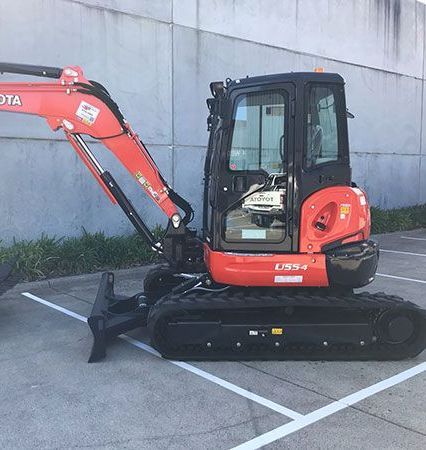
For heavier digging or deeper excavation, a compact loader may be paired with small excavator hire so each machine does the work it is best suited to.
Why are Kanga Dingos useful on tight access sites?
Tight access is one of the biggest reasons people choose compact machinery. Many residential sites have narrow side paths, gates, established gardens, fences or finished surfaces that can make larger equipment impractical.
A Kanga Dingo can often work in tighter areas while still providing more power and efficiency than manual labour. This can be useful when moving materials from the front of a property to the back, preparing a small work zone or working around existing structures.
Because the machine is compact, it can also help reduce disruption on smaller sites when used appropriately. The right machine still depends on access measurements, surface conditions and the type of work being completed.
What attachments can be used?
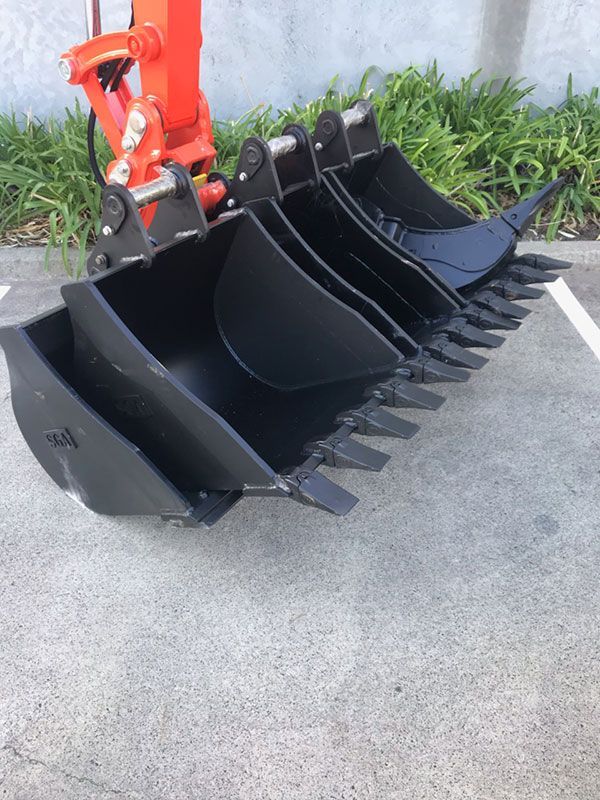
One of the main strengths of a Kanga Dingo is its ability to work with attachments. The available attachment options depend on the specific machine and hire setup, but common attachments may support digging, boring, loading, grabbing or ground preparation.
For example, auger attachments can assist with post holes, while buckets are useful for moving and loading materials. Other attachments may help with specific site tasks, depending on the project requirements.
If you need more than one function from your machine, it is worth exploring available attachment hire options before booking equipment.
Kanga Dingo vs other compact equipment
A Kanga Dingo is not always the right machine for every job. If you need deeper digging, trenching or excavation, a mini excavator may be more suitable. If you need loading, spreading or levelling across a broader area, a mini bobcat or posi-track may be better suited.
The best choice depends on the task. A compact loader can be excellent for tight-access material handling, while an excavator is built for digging and a bobcat is useful for pushing, spreading and loading.
For a broader look at suitable equipment, explore our plant hire services across Melbourne.
Wet hire or dry hire?
When hiring compact machinery, it is important to consider whether wet hire or dry hire suits your project. Dry hire may suit customers who have the right experience and want to operate the machine themselves.
Wet hire includes an operator, which can be useful if you are unfamiliar with the equipment, working in a tight area or want the job handled more efficiently by someone with machine experience.
Before choosing, think about your confidence, site conditions, machine type and the complexity of the work. If you are unsure, ask for advice before booking.
Is a Kanga Dingo right for your project?
A Kanga Dingo may be a good fit if your project involves tight access, material movement, landscaping, light earthworks or site preparation. It is particularly useful when a wheelbarrow is too slow but a larger machine is not practical for the available space.
For larger excavation, heavy-duty digging or high-volume material handling, another machine may be more appropriate. The right choice comes down to access, ground conditions, attachments and the work you need completed.
Contact our team to discuss your project and get practical advice on suitable Kanga Dingo, dumper, excavator or plant hire options.
Ready to compare equipment? Explore our plant hire range to find machinery suited to your next Melbourne project.