How to choose the right tipper truck size for your construction project
Choosing the right tipper truck size for a construction project can make a big difference to how efficiently materials move on and off site. Too small, and you may need more trips than expected. Too large, and the truck may be difficult to manoeuvre, access the site or use safely in tight areas.
The right size depends on your material type, load volume, site access, tipping area and how the truck will work with the rest of your equipment. For many jobs, it is not just about carrying capacity. It is about choosing a practical truck that suits the job site.
This guide breaks down the key factors to consider before hiring a tipper truck for construction, earthmoving, landscaping or site clean-up work.
Start with what you need to move
The first step is understanding the material you need to move. Soil, clay, sand, gravel, mulch, demolition waste and green waste can all behave differently when loaded, transported and tipped.
Heavier materials may require a truck with suitable payload capacity, while bulky but lighter materials may require more tray volume. For example, a load of wet soil can be much heavier than the same volume of mulch or light green waste.
Before choosing a truck, estimate the type and volume of material as closely as possible. This helps you avoid underestimating the number of loads or hiring a truck that is not practical for the job.
Consider site access before choosing truck size
Access is one of the most important factors when choosing a tipper truck. A larger truck can carry more material, but it may not be useful if it cannot safely reach the loading or tipping area.
Residential sites, laneways, tight driveways and smaller construction areas often need a more compact solution. Commercial sites may have better access, but they can still have traffic control, turning limits, stockpiles, other machinery and restricted movement areas to consider.
Before booking, think about driveway width, overhead clearance, gate access, ground conditions, turning space and where the truck will tip. If access is limited, a smaller tipper truck may save time compared with a larger truck that cannot get close to the work area.
Match the truck to your loading equipment
A tipper truck usually works alongside other machinery. Excavators, bobcats, dingos and loaders may all be used to load material into the truck. The truck size should make sense with the equipment doing the loading.
If the loading machine is small, using an oversized truck may slow the job down because it takes longer to fill. If the truck is too small for the material volume, the site may lose time waiting for repeat trips.
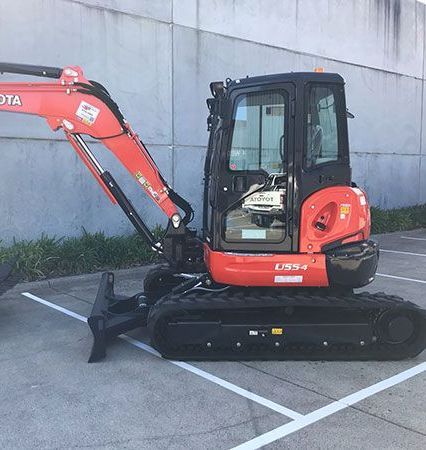
For many compact earthmoving projects, equipment such as mini bobcat and posi-track hire can help load and manage materials efficiently. For digging and spoil removal, pairing a truck with small excavator hire can also improve workflow.
Think about trip numbers and distance
Tipper truck sizing is also about how far the material needs to travel. If the disposal point, stockpile or supplier is nearby, a smaller truck may still be practical because turnaround times are shorter.
If the truck needs to travel further between loads, a larger capacity may reduce the number of trips and improve efficiency. However, this only works if the larger truck can access the site safely and be loaded efficiently.
When comparing options, think about the whole cycle: loading time, travel time, unloading time and return time. The most efficient truck is the one that suits the complete workflow, not just the one with the largest tray.
Know the difference between residential and commercial needs
Residential projects often involve smaller access points, tighter working areas and lower material volumes. These jobs may include backyard earthworks, landscaping, driveway preparation, pool preparation, trenching support or small demolition clean-ups.
Commercial projects may involve larger quantities of spoil, gravel, construction material or waste. The site may need a truck that can keep up with excavators, loaders or multiple work zones.
For residential work, manoeuvrability and access may matter more than capacity. For commercial projects, load efficiency, turnaround time and compatibility with site machinery may become more important.
Check the tipping location
Where the truck will tip is just as important as where it will load. The tipping area needs to be suitable for the truck size, material and ground conditions.
Some sites require material to be tipped into a stockpile. Others may need spoil removed from site, gravel delivered to a specific zone or waste transported away. If the truck cannot safely reach the tipping area, the material may need to be handled again, which adds time and labour.
Confirm whether the truck will be tipping on firm ground, near a slope, beside other machinery or in a restricted access area. These details can affect the size and setup that will work best.
Do you need a tipper truck with other plant hire?
A tipper truck is often most useful when paired with the right plant. Excavators can dig and load spoil, bobcats can move and spread material, and compact loaders can help manage material in tighter areas.
For projects that need more than one machine, it can be easier to plan the equipment combination together rather than hiring each item separately. This helps make sure the machines suit the same access conditions, material volumes and workflow.
You can explore our broader plant hire services if your project needs equipment support beyond tipper truck hire.
Questions to ask before hiring a tipper truck
Before choosing a tipper truck size, ask a few practical questions:
- What material needs to be moved?
- How heavy or bulky is the material?
- How much material needs to be moved overall?
- How wide is the access point?
- Is there enough turning space?
- How far does the truck need to travel?
- What machine will load the truck?
- Where will the material be tipped?
- Do you need wet hire or dry hire support?
These details make it easier to match the truck to the site instead of choosing based on size alone.
Get advice before booking
The right tipper truck size depends on more than capacity. Site access, material type, loading equipment and travel distance all play a part in choosing the best option for your project.
If you are planning construction, landscaping, earthmoving or site clean-up work, speaking with a hire team before booking can help you avoid delays and choose equipment that suits the job.
Contact our team to discuss your project and get practical guidance on suitable tipper truck and plant hire options.
Need machinery to support loading or site preparation? Explore our plant hire range for compact equipment suited to Melbourne projects.