Tipper trucks vs skip bins: Which is more cost-effective for waste removal?
When you need to remove soil, green waste, demolition debris or construction material from a site, two common options are hiring a tipper truck or organising a skip bin. Both can be useful, but they suit different types of projects.
For homeowners, landscapers and builders, the most cost-effective option is not always the cheapest upfront price. It depends on the material being removed, site access, labour, timing, load volume and how quickly the waste needs to leave the site.
This guide compares tipper trucks and skip bins so you can make a more practical decision for your next clean-up, earthmoving or construction project.
How does tipper truck waste removal work?
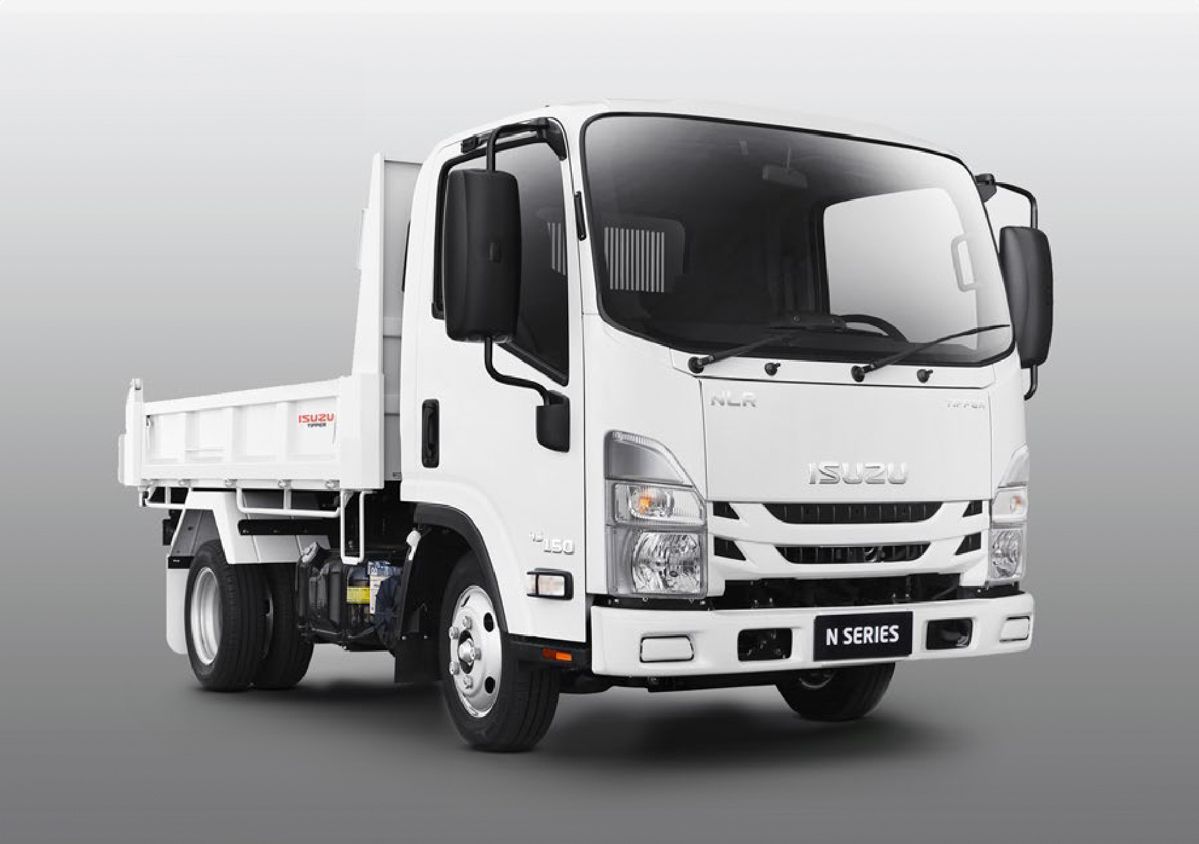
A tipper truck is used to transport material directly from the site to a disposal point, stockpile or another location. It is often loaded by machinery such as an excavator, bobcat, dingo or compact loader, depending on the material and site setup.
This option can be efficient when material needs to be moved quickly, especially if the waste is already stockpiled or can be loaded directly by machine. It can also be useful when a project produces large amounts of spoil, soil, gravel, green waste or construction debris across the day.
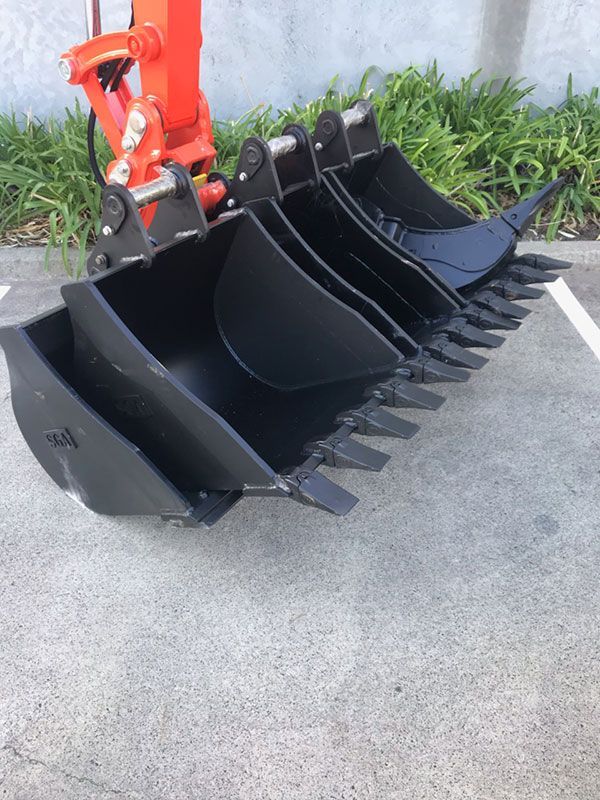
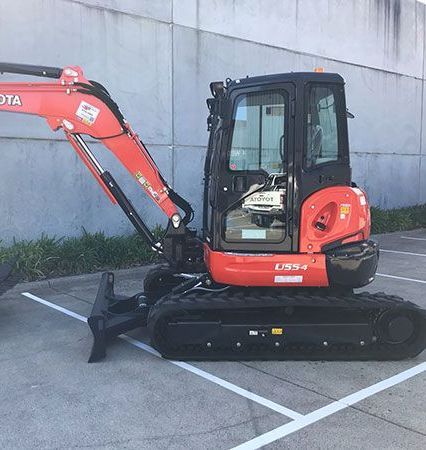
Tipper truck hire is often most effective when it is planned alongside the right loading equipment. For example, small excavator hire can support digging and loading, while mini bobcat and posi-track hire can help move and manage material around the site.
How does skip bin waste removal work?
A skip bin is delivered to a property or worksite and left there for waste to be loaded over a set period. This can be convenient when waste is generated gradually or when you want a container on-site for general clean-up.
Skip bins are commonly used for renovations, household clean-ups, landscaping waste, building debris and mixed materials. They can be a good option when the project does not require machinery or when the material can be loaded by hand over time.
The main limitation is that a skip bin takes up space and may require suitable placement. Depending on the location, access, driveway space or council rules, this may not always be straightforward.
When is a tipper truck more cost-effective?
A tipper truck may be more cost-effective when waste needs to be removed quickly and machinery is already on-site. If an excavator, bobcat or loader can fill the truck efficiently, the material can leave the site without sitting in a bin for days.
This can be especially useful for earthmoving projects, site preparation, landscaping works, excavation jobs and construction clean-ups where waste is generated in larger volumes. It may also reduce double handling because material can be loaded once and transported away.
Tipper trucks can also work well when the site has limited space for a skip bin. Instead of keeping a bin on the property, a truck can arrive, be loaded and leave once the material is ready.
When is a skip bin more cost-effective?
A skip bin may be more cost-effective when waste is produced slowly or when you need somewhere to place rubbish over several days. This is common for household clean-ups, small renovations and jobs where material is being removed by hand.
If there is no machinery on-site and the waste volume is manageable, a skip bin may be the simpler option. It lets workers or homeowners load material as they go without needing to coordinate truck arrival times.
However, costs can increase if the bin is the wrong size, needs to be exchanged multiple times or cannot be placed close to the work area. In those cases, labour and handling time can make the overall job more expensive than expected.
Compare access and site space
Access is one of the biggest factors in choosing between a tipper truck and a skip bin. A tipper truck needs enough room to enter, load, turn and leave safely. A skip bin needs enough space to be placed securely for the hire period.
On tight residential sites, a skip bin may block driveways or limit movement around the property. On the other hand, a tipper truck may not be suitable if the loading area is too restricted or the ground conditions are not practical for truck movement.
Before choosing, think about gates, driveways, overhead clearance, soft ground, nearby vehicles, footpaths and where material will be collected from. The most cost-effective option is the one that works with the site rather than creating extra handling.
Think about labour and double handling
The cheapest waste removal option can become expensive if it creates extra labour. Double handling happens when material is moved more than once, such as loading waste into a pile, then moving it again into a bin or truck later.
If material can be loaded directly into a tipper truck by machine, this can reduce handling and speed up removal. If waste is being collected slowly by hand, a skip bin may reduce the need to coordinate multiple trips or machinery.
For many projects, the right choice depends on whether the waste is already gathered and ready to load, or whether it will be produced gradually over the course of the work.
Consider the type of waste
Different waste types can influence the best removal method. Soil, clay, gravel and heavy spoil may be better suited to machine loading and truck transport, especially on earthmoving or excavation projects.
Mixed renovation waste, packaging, timber offcuts and lighter debris may suit a skip bin, particularly when the waste is generated gradually. Green waste can work with either option depending on volume, access and timing.
Always check what materials can be accepted before booking any waste removal option. Some materials may have disposal restrictions or need to be separated.
Which option suits builders and homeowners?
For builders, tipper trucks can be practical when site waste needs to move quickly and machinery is already part of the workflow. They can help keep a worksite clearer by removing spoil or material as it is generated.
For homeowners, skip bins can be convenient for gradual clean-ups and smaller renovation projects. However, if the job involves earthworks, landscaping or heavy material movement, a tipper truck paired with compact machinery may be more efficient.
If your project involves both waste removal and site preparation, explore our broader plant hire services to compare suitable equipment options.
Questions to ask before deciding
Before choosing between a tipper truck and a skip bin, ask:
- How much waste needs to be removed?
- Is the material heavy, bulky or mixed?
- Will waste be produced all at once or gradually?
- Is machinery available to load the material?
- Is there space to place a skip bin?
- Can a truck safely access the site?
- How far does the material need to be moved?
- Will the chosen option create double handling?
These questions will help you compare the true cost of each option, not just the upfront hire price.
Get advice before booking waste removal equipment
Tipper trucks and skip bins both have a place in waste removal. A skip bin may suit gradual clean-ups, while a tipper truck may be more efficient for heavier materials, machine loading and projects where waste needs to leave the site quickly.
The right option depends on access, material type, timing and how the waste will be loaded. Getting advice before booking can help you avoid delays, extra handling and unsuitable equipment.
Contact our team to discuss your site and get practical guidance on tipper truck and plant hire options.
Need equipment to help load or move material? Explore our plant hire range for compact machinery suited to earthmoving, landscaping and site clean-up projects across Melbourne.