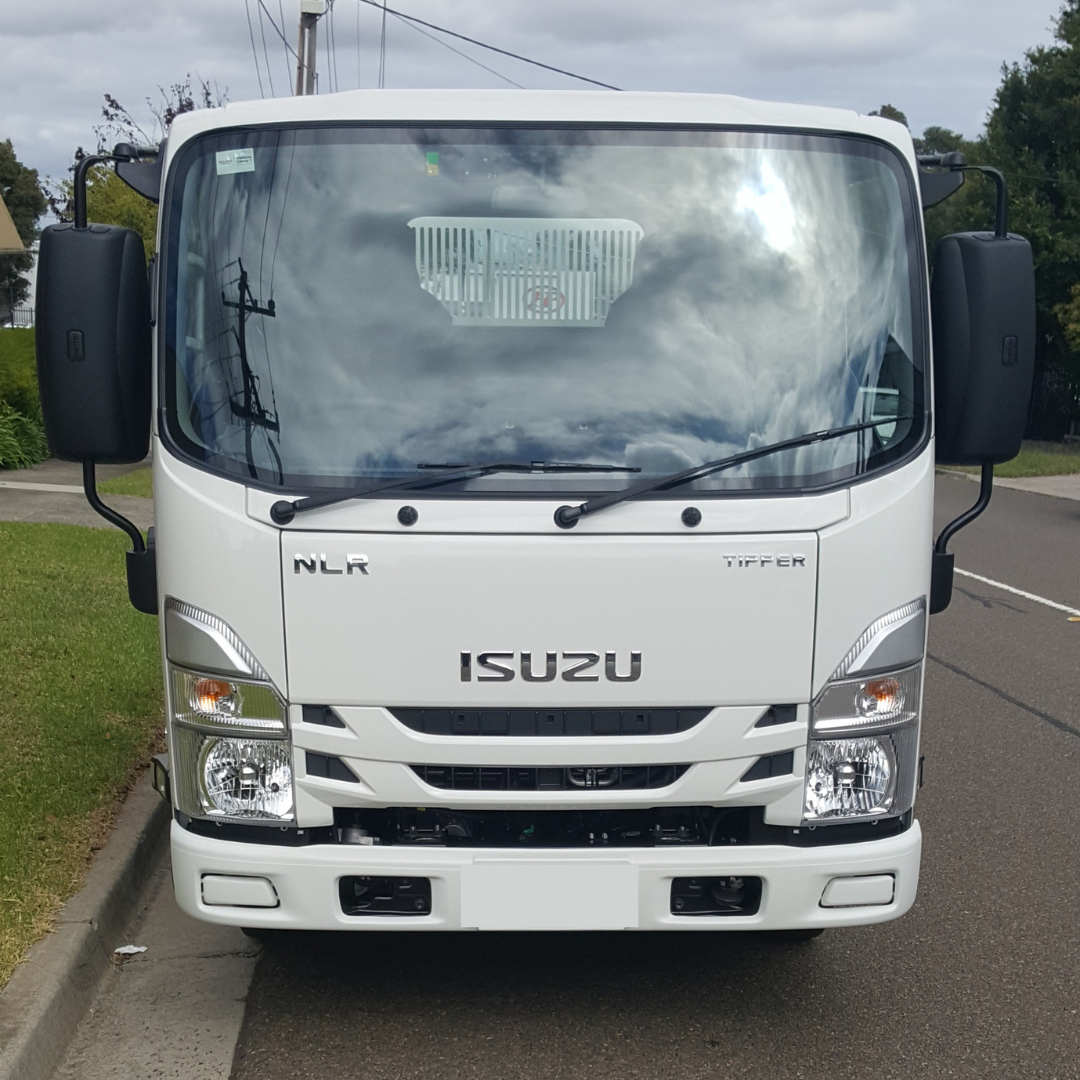
Tipper truck hire: What to know before your first load
Hiring a tipper truck for the first time can feel straightforward until you start thinking through the details. What material needs to be moved? Can the truck access the site? Where will it tip? What machine will load it? These questions matter because the wrong setup can slow down the job before the first load is even moved.
Whether you are working on a landscaping job, backyard earthworks, construction site or general clean-up, a tipper truck can make material handling much easier. The key is planning ahead so the truck, site and supporting equipment all work together.
This guide covers the main things to know before your first tipper truck load, so you can organise hire with more confidence.
Know what material you need to move
Before booking a tipper truck, start by identifying the material. Soil, clay, sand, gravel, mulch, green waste and demolition waste can all affect how the truck is loaded, transported and tipped.
Some materials are heavy even in smaller volumes, especially wet soil or clay. Others are bulky but lighter, which may affect how much tray space is needed. Knowing the type of material helps the hire team give more practical advice about suitable truck options and site planning.
If you are unsure how much material you have, give a realistic estimate and explain the job clearly. It is better to discuss the project early than to discover halfway through that the truck or loading setup is not suitable.
Check site access before booking
Access is one of the most important things to check before your first load. A tipper truck needs enough room to enter, turn, load and tip safely. Even if the truck is the right size for the material, it still needs to suit the site.
Think about driveway width, gate access, overhead clearance, powerlines, trees, soft ground, slopes, parked cars and nearby structures. Residential sites can be especially tight, while commercial sites may have other machinery, stockpiles or traffic movement to work around.
If access is restricted, a more compact truck or different loading plan may be more practical. Clear photos, measurements and site details can help the hire team understand what will work best.
Plan where the truck will load and tip
A tipper truck is only useful if it can load and unload in the right places. Before the truck arrives, decide where material will be loaded and where it will be tipped or removed.
If the truck is collecting spoil, make sure the loading area is clear and easy for machinery to reach. If the truck is delivering gravel, sand or other materials, think about where the load should be placed and whether the tipping area has enough room.
Poor planning can lead to double handling, where material has to be moved twice. That adds labour and slows the project down. A simple site plan can help avoid delays and keep the first load moving smoothly.
Think about what will load the truck
Most tipper truck jobs need another machine to load material. Depending on the project, this might be an excavator, bobcat, dingo or compact loader. Matching the truck to the loading equipment is important for efficiency.
If the loading machine is too small for the truck, filling each load can take longer than expected. If the truck is too small for the material volume, the job may need more trips. The best setup balances load size, machine capacity and site access.
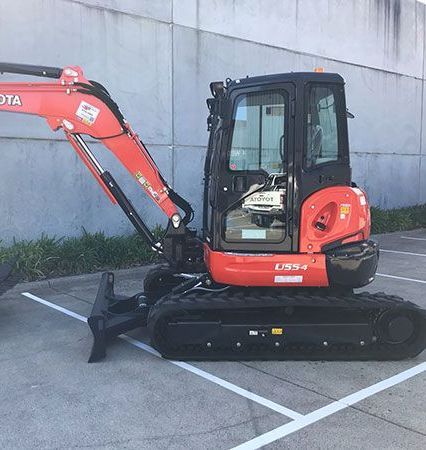
For jobs involving digging and spoil removal, pairing a truck with small excavator hire can help keep excavation and loading work moving. For loading, spreading and site clean-up, mini bobcat and posi-track hire may also be useful.
Understand wet hire and dry hire options
Before hiring equipment, check whether wet hire or dry hire is more suitable. Dry hire generally means you operate the equipment yourself, while wet hire includes an operator as part of the hire arrangement.
For first-time hirers, wet hire can be a practical option if the job involves tight access, unfamiliar equipment or more complex site conditions. Dry hire may suit customers with the right experience and confidence to operate the machinery safely and efficiently.
The right option depends on your experience, the site, the equipment and the scope of the project. If you are unsure, ask before booking so you understand what is included.
Prepare the site before the first load
A little preparation can make the first load much easier. Clear access paths, remove obstacles, confirm the loading and tipping areas, and make sure everyone on-site understands where the truck will move.
It also helps to think about surface conditions. Soft, wet or uneven ground may affect how easily a truck can move or tip. If conditions are difficult, raise this before the hire begins so a more suitable plan can be arranged.
Good site preparation reduces waiting time and helps keep the job organised from the start.
Consider whether you need more than a truck
A tipper truck is often part of a broader equipment setup. You may need compact machinery for digging, loading, moving or spreading materials before or after the truck is used.
For example, a backyard project may need a compact loader to move material through narrow access before the truck collects it. A construction site may need an excavator to load spoil directly into the truck.
If you are planning several tasks, explore our plant hire services to compare machinery options that can work alongside tipper truck hire.
Ask the right questions before confirming hire
Before locking in your tipper truck hire, it is worth asking a few simple questions:
- What size truck is suitable for my material and site?
- Can the truck access the loading and tipping area?
- What equipment will be used to load the truck?
- Do I need wet hire or dry hire?
- How many loads might the job require?
- Is the ground suitable for truck movement and tipping?
- What should be prepared before the truck arrives?
These questions help avoid confusion and make it easier to choose the right setup for the job.
Get practical advice before your first load
Tipper truck hire is easier when the details are clear from the start. Material type, site access, loading equipment and tipping location all affect what truck setup will work best.
Contact our team to discuss your project and get practical guidance on tipper truck and plant hire options.
Need machinery to support your first load? Explore our plant hire range for compact equipment suited to earthmoving, loading and site preparation across Melbourne.