How to choose the right dumper for residential vs commercial earthworks
Choosing the right dumper for earthworks is not just about picking the biggest machine available. The best option depends on your site access, material type, loading method, tipping area and whether the job is residential or commercial.
Residential earthworks often need compact equipment that can move through narrow access points and work around existing structures. Commercial earthworks usually require stronger material handling, higher output and machinery that can keep up with a busy site. Understanding the difference can help you hire equipment that is practical, efficient and suited to the job.
Start with the type of earthworks project
Before choosing a dumper, think about what the machine needs to do each day. A backyard landscaping job, driveway preparation or small excavation project will usually have very different demands compared with a commercial construction site or civil works project.
Residential jobs often involve moving soil, sand, mulch, turf, gravel or spoil across short distances. These sites may have fences, garden beds, narrow side access, retaining walls or existing buildings to work around. In these cases, compact size and easy manoeuvrability can be more important than maximum load capacity.
Commercial earthworks may involve larger quantities of spoil, demolition material, gravel or construction waste. These jobs often need equipment that can move material quickly between work zones, stockpiles, skips or trucks. The dumper must suit the pace of the site and the way materials are being loaded and removed.
Choosing a dumper for residential earthworks
For residential earthworks, the right dumper is usually one that can move through tight areas while still carrying enough material to reduce wheelbarrow work. Compact dumpers are useful for backyard access, landscaping, small excavation jobs and renovations where larger machinery may not fit.
If the site has narrow access, soft ground or limited turning space, a smaller dumper can help move material without causing unnecessary disruption. It can also work well alongside compact excavation equipment, especially when soil or debris needs to be carried away from the dig area.
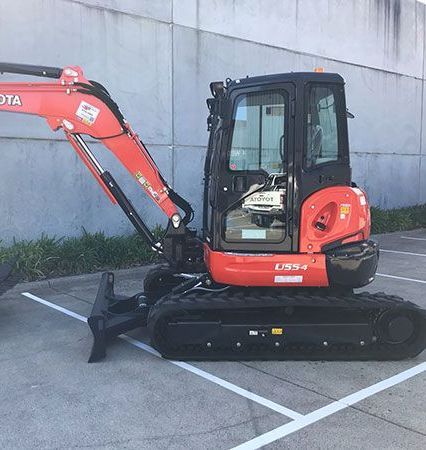
For jobs involving trenching, garden reshaping, pool preparation or small-scale site clearing, pairing a dumper with small excavator hire can make the work more efficient. The excavator handles digging while the dumper moves spoil, reducing manual labour and keeping the site cleaner.
Choosing a dumper for commercial earthworks
Commercial earthworks usually place more emphasis on load capacity, speed and site productivity. The dumper may need to move larger volumes of material between excavation areas, stockpiles, bins, trucks or disposal points.
On larger sites, the dumper should suit the loading equipment being used. If a bobcat, posi-track or excavator is loading material into the dumper, the skip height, capacity and tipping method all need to work with the rest of the site setup.
For commercial jobs that involve site preparation, demolition support or material distribution, equipment such as mini bobcat and posi-track hire can help load and spread materials efficiently. The right dumper then keeps material moving instead of slowing the crew down.
Key factors to compare before hiring a dumper
When deciding between dumper options, compare the practical details of the job rather than choosing based on machine size alone. A larger dumper is not always better if it cannot move safely through the site or reach the tipping point.
Important things to consider include:
- Site access width and height
- Ground conditions and slope
- Material type and weight
- Distance between loading and tipping areas
- Whether material is being tipped into a pile, bin, skip or truck
- How often the dumper will be loaded and emptied
- Whether wet hire or dry hire is more suitable
These details can affect whether a compact dumper, swivel tip dumper, high tip dumper or another machine is the best fit for the site.
Access is often the biggest difference
Access is one of the main differences between residential and commercial dumper use. Residential properties may have narrow side paths, gates, tight driveways or finished surfaces that need to be protected. A compact machine is often easier to manage in these conditions.
Commercial sites may have more open access, but they can also have more traffic, trades, stockpiles and designated movement areas. In these settings, choosing a dumper that fits into the site workflow is just as important as choosing one with enough capacity.
If you are unsure what will fit, it helps to measure access points and discuss the layout before booking machinery. A good hire provider can help you compare machine options based on the practical details of your site.
Think about what the dumper will work with
A dumper rarely works alone. It is usually part of a broader equipment setup involving excavators, bobcats, loaders, tipper trucks or attachments. Choosing a dumper that works well with the rest of the machinery can reduce delays and improve material flow.
For example, a residential excavation job may need a compact excavator and dumper combination. A commercial site may need a bobcat loading material into a dumper before it is transferred to a stockpile or truck.
You can explore broader plant hire services if your project needs more than one machine or if you are still working out the best equipment combination.
Wet hire or dry hire?
Another important decision is whether wet hire or dry hire is the better option. Dry hire may suit customers who have the right experience and want to operate the machine themselves. Wet hire includes an operator, which can be useful when the job is more complex or when the site needs experienced machine handling.
Residential customers may choose wet hire if they are unfamiliar with operating earthmoving equipment or working in a tight space. Commercial customers may choose wet hire to support productivity, especially when timing and coordination matter.
The best option depends on your experience, the machine type, access conditions and project scope.
Residential vs commercial dumper checklist
For residential earthworks, look for a dumper that is compact, easy to manoeuvre and suitable for moving moderate volumes of material through tight or finished areas. It should suit the access points and work well alongside smaller machines.
For commercial earthworks, focus on capacity, loading compatibility, tipping height and workflow. The dumper should support the way material is being moved across the site and help reduce handling time.
In both cases, the goal is the same: choose equipment that makes the job safer, cleaner and more efficient without being oversized or unsuitable for the site.
Get help choosing the right dumper
If you are comparing dumper options for residential or commercial earthworks, the right advice can help you avoid hiring the wrong machine. Site access, load type and equipment pairing all matter.
Contact our team to discuss your project and get practical guidance on suitable dumper and plant hire options.
Need more equipment for the job? Explore our plant hire range to find machinery that suits your next Melbourne project.